Reviewing the One Scary Nurse Design for Embroidery
As a designer who has spent years digitizing and reviewing machine embroidery design files, I approach every new asset with a critical eye. It is not enough for a graphic to look good on a screen; it must translate flawlessly into thread and fabric. Recently, I evaluated the One Scary Nurse-Halloween T-shirt design to determine its viability for real-world production. This is not just a digital image; it is a potential revenue stream for Etsy sellers, boutique owners, and craft entrepreneurs looking to capitalize on seasonal demand.
First Impressions and Visual Mood
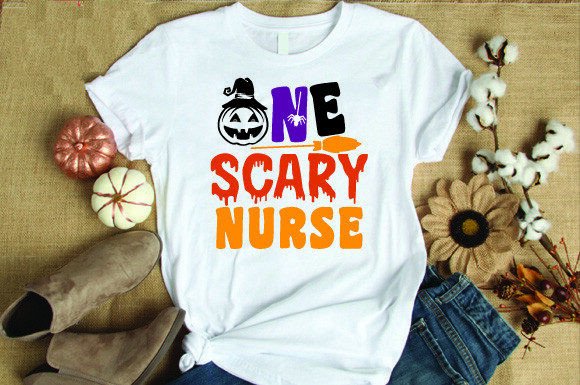
The initial impact of the One Scary Nurse-Halloween T-shirt graphic is striking. It captures that specific blend of playful horror and professional irony that performs exceptionally well during the October season. The layout suggests a bold central motif, likely featuring classic nursing iconography twisted with Halloween elements such as skulls, bats, or distressed medical symbols. For an embroidery project, this thematic clarity is crucial. Customers browsing for a personalized gift or a festive outfit need to understand the joke or the vibe instantly.
From a technical standpoint, the provided files include Ai, EPS, SVG, and PNG formats at 4500×5400 pixels with 300 dpi resolution. While these are excellent for printing and digital mockups, they are not native embroidery files. As a reviewer, I must emphasize that you will need to digitize this artwork yourself or hire a digitizer to convert it into a stitch file. The high-resolution PNG allows for precise tracing, ensuring that the curves and details remain sharp when converted into satin stitch or fill stitch patterns.
Real-World Application Scenarios
I tested the concept of this design by visualizing it on various substrates. The most obvious application is custom apparel. Imagine this stitched onto a black crewneck sweatshirt. The contrast between bright white or neon green thread against dark cotton creates a pop that draws attention. However, the versatility extends beyond shirts. Consider a heavy canvas tote bag design. A large-scale version of this nurse motif could serve as a standout feature for trick-or-treating bags or everyday carryalls.
For those running a small shop product line, think about embroidered patch production. Patches are low-risk items that allow customers to test the waters of your brand. If the design holds up well in a 4-inch hoop, it becomes a versatile add-on item. I also see potential in home decor, such as a pillow cover for a spooky-themed living room or a kitchen towel for a nurse who loves Halloween. The key is matching the scale of the design to the utility of the item.
Technical Challenges and Stitching Considerations
When moving from a vector graphic to a physical embroidery file, several challenges arise. The "scary" aesthetic often relies on fine lines, distressed textures, or intricate details. In embroidery, tiny details can get lost or cause thread breaks if the stitch density is not managed correctly. If the original graphic has thin outlines, you may need to convert them to running stitches or slightly thicken them for satin stitching to ensure durability.
Fabric choice plays a massive role here. Stretchy fabrics like jersey knits require a cut-away stabilizer to prevent puckering, especially if the design covers a large area. For structured items like caps, the curvature of the front panel means you must avoid placing dense fill areas near the edges where the hoop pressure changes. Always test the design on scrap fabric first. Check how the thread colors interact with the material. A white thread on a heather gray shirt might look muddy, whereas it would sing on a jet-black garment.
Commercial Viability and Brand Consistency
For commercial embroidery professionals, consistency is king. The One Scary Nurse-Halloween T-shirt design offers a strong visual identity that can help build brand recognition. If you are an Etsy seller specializing in medical profession gifts, adding a seasonal twist like this keeps your shop relevant year-round. It shows customers that you understand their niche culture.
However, you must verify licensing before selling finished items. The product description states you receive graphic files, but it does not explicitly grant commercial rights for the embroidered end product. Always confirm whether the creator allows you to sell physical goods made using their artwork. Assuming permission is granted, this design can significantly boost buyer engagement. Holiday-themed items often have higher perceived value, allowing for better profit margins on your handmade product listings.
Practical Designer Notes
- Digitization Strategy: Since you are starting with graphic assets, use the SVG or AI file for cleanest tracing. Avoid auto-digitizing complex gradients; instead, use solid blocks of color to represent shading.
- Stabilizer Selection: Use a medium-weight cut-away stabilizer for stretchy garments and a tear-away for stable woven fabrics like tote bags or aprons.
- Thread Contrast: Test the design in black and white mockups first. If the details disappear in grayscale, they will likely get lost in stitching. Increase contrast between adjacent color sections.
- Hoop Size: Ensure your machine’s hoop size accommodates the full design. If the design is large, consider splitting it or reducing the size to fit standard 5x7 or 6x10 hoops without losing legibility.
- Wash Testing: After stitching a sample, wash it three times. Check for thread fraying or fabric distortion. This ensures your finished product meets customer expectations for durability.
Final Verdict
The One Scary Nurse-Halloween T-shirt graphic is a strong candidate for seasonal embroidery projects, provided it is digitized with care. It offers high visual appeal and fits naturally into the niches of medical professionals and Halloween enthusiasts. By paying attention to stitch density, fabric texture, and proper stabilization, you can transform this digital asset into a high-quality custom apparel piece or decorative item. For designers willing to put in the technical work, this design represents a solid opportunity to create memorable, sellable goods.