Reviewing Human Lungs Anatomy Medical for Stitch
As a designer who has spent countless hours digitizing and testing machine embroidery design files, I approach every new asset with a critical eye. It is not enough for a graphic to look good on a screen; it must translate beautifully into thread. Recently, I evaluated the Human Lungs Anatomy Medical file to determine its viability for real-world projects. This is not just a medical diagram; it is a piece of visual communication that needs to hold up under the needle. For those of us in the craft business, understanding how these Illustrations and Graphics perform before we commit to production is essential for maintaining quality and customer trust.
First Impressions and Visual Personality
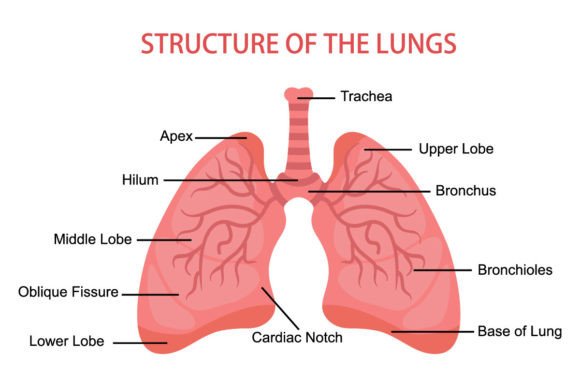
The first thing I noticed about the Human Lungs Anatomy Medical design is its clean, vector-based structure. The description notes it is a vector illustration of the human respiratory system, which usually implies smooth lines and scalable clarity. In the context of embroidery, this is promising. Complex, messy lines often lead to stitching errors, but a well-defined anatomical sketch offers a modern, educational aesthetic. The mood is professional yet accessible, making it suitable for a wide range of applications beyond strict medical environments. It feels precise, which is exactly what you want when representing anatomy.
For an Etsy seller or small shop owner, this design bridges the gap between scientific accuracy and artistic expression. It does not feel cold or sterile; instead, it has a hand-drawn quality that lends itself well to handmade products. When I visualize this on a tote bag or a sweatshirt, it reads as intelligent and thoughtful. It appeals to nursing students, doctors, respiratory therapists, and anyone with an appreciation for biological art. This broad appeal is crucial for creating a personalized gift that resonates with the recipient.
Real-World Application Scenarios
To truly test the potential of this digital embroidery file, I imagined several specific production scenarios. The most obvious application is custom apparel for healthcare professionals. A scrub top or a lab coat featuring this lungs anatomy design would be a standout piece. However, because the design is detailed, I would recommend using it on larger garments where the stitch count can be distributed evenly without compromising fabric integrity.
Another strong candidate is the tote bag design. Canvas totes are popular among students and professionals alike. The flat, stable surface of a canvas bag allows for high-density stitching if necessary, ensuring that the fine details of the bronchial tubes remain clear. I also see great potential for sweatshirt embroidery. A crewneck sweatshirt with this design centered on the chest or placed subtly on the sleeve could serve as a conversation starter and a badge of pride for medical staff. For a more niche market, consider baby embroidery items for families with a medical background, such as a onesie for a "future doctor," though scale adjustments would be mandatory.
For those selling small shop product lines, this design could be adapted into an embroidered patch. Patches are versatile and allow customers to apply the design to various items themselves. This reduces the risk for the seller, as they only need to perfect the stitch-out on a single patch blank rather than multiple garment types. Additionally, this could work beautifully on home decor items like pillow covers for a study or office, adding a touch of intellectual charm to the space.
Technical Considerations for Stitching
While the visual appeal is strong, the technical execution requires careful planning. Anatomical illustrations often contain fine lines and small details. In embroidery, these translate to narrow satin stitch columns or delicate running stitch outlines. If the original vector file has extremely thin lines, they may not stitch out cleanly on textured fabrics. I advise checking the stitch density carefully. Too much density in a small area can cause puckering, especially on lighter materials.
Fabric choice is paramount. For this type of commercial embroidery project, I recommend medium-to-heavy weight cottons or polyester blends. Avoid stretchy or slippery fabrics unless you are experienced with specialized stabilizers. The human lungs anatomy medical design likely contains curved elements that follow the natural shape of the organs. These curves must be digitized with proper underlay stitches to prevent shifting during the sewing process. If you are converting the SVG or AI file yourself, ensure that your software handles node reduction effectively to minimize unnecessary jumps and trims.
Color selection plays a huge role in readability. While traditional medical diagrams use red and blue, consider modern palettes for a fashion-forward look. Teal, slate grey, or muted coral can make the design feel contemporary rather than clinical. Always test your thread colors against the fabric background. High contrast is key for intricate designs. If you are stitching on dark fabric, ensure your thread has enough sheen and thickness to stand out. Conversely, on light fabrics, avoid threads that are too translucent, as the fabric grain might show through the stitches.
Navigating Challenges and Limitations
There are specific situations where this design should be used with caution. Small hoop sizes, such as 4x4 inches, may force you to reduce the design significantly. At smaller scales, the intricate details of the respiratory system might merge into a blob of thread, losing their educational value. Always do a test run on scrap fabric at the intended size. If the details disappear, simplify the design or choose a larger hoop.
Curved surfaces like caps present another challenge. Embroidering a detailed anatomical illustration on a structured cap requires precise hooping and possibly a backing stabilizer that is tear-away rather than cut-away, depending on the desired finish. The curvature can distort the image, so placement must be exact. Similarly, avoid placing this design on areas of high friction or frequent washing, such as the cuffs of sleeves, unless you use high-quality polyester thread that resists abrasion.
For holiday embroidery or gift items, consider the recipient's taste. While medical professionals love these designs, ensure the style matches the occasion. A subtle, monochrome version might be more appropriate for a formal gift, while a colorful version suits casual wear. Always confirm licensing terms before selling finished items. Since the product includes formats like AI, EPS, SVG, PNG, and JPEG, verify if the license covers commercial use for physical goods. Some licenses allow digital sales but restrict physical merchandise, so read the fine print.
Enhancing Value and Brand Consistency
Using high-quality design assets like the Human Lungs Anatomy Medical illustration elevates the perceived value of your handmade product. Customers can tell when a design is crisp and well-executed. It builds trust in your brand as a provider of professional-grade items. For craft business owners, consistency is key. If you specialize in medical-themed gifts, this design fits seamlessly into a broader collection that might include heart, brain, or skeletal anatomy pieces. This creates a cohesive brand identity that customers recognize and return to.
When creating printable mockup previews for your online store, use the PNG or JPEG versions provided to showcase the design on various products. This helps buyers visualize the final result. However, always clarify that the actual stitched product may have slight variations due to fabric texture and thread tension. Transparency manages expectations and reduces returns.
In conclusion, the Human Lungs Anatomy Medical design is a versatile and valuable addition to any embroidery designer's library. It offers a unique blend of educational content and artistic flair. By paying attention to technical details like stitch density, fabric choice, and color contrast, you can transform this vector illustration into a stunning finished product. Whether you are creating custom apparel for a nurse, a unique gift for a biology teacher, or adding to your boutique's inventory, this design holds up under scrutiny. Just remember to test, adjust, and respect the licensing terms to ensure your project is both beautiful and compliant.