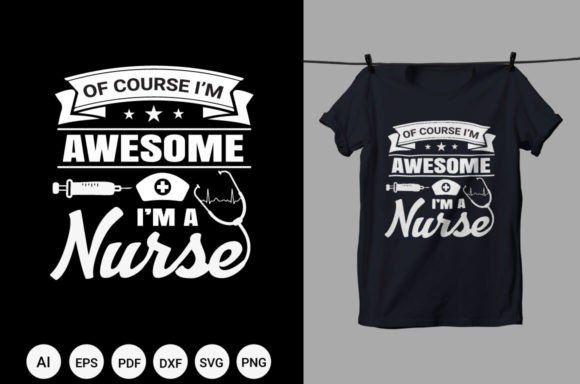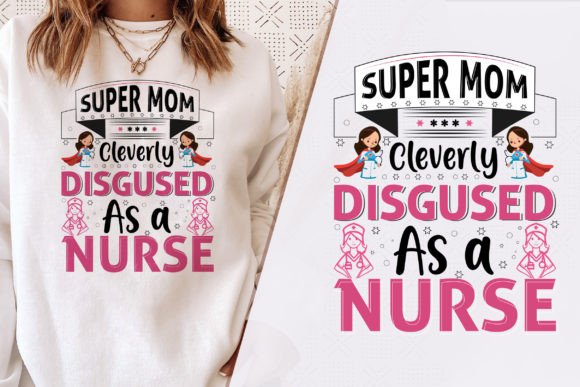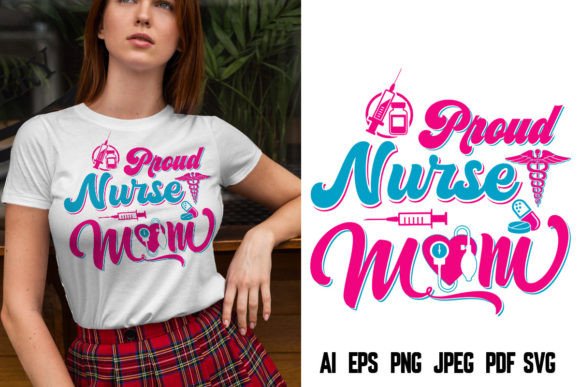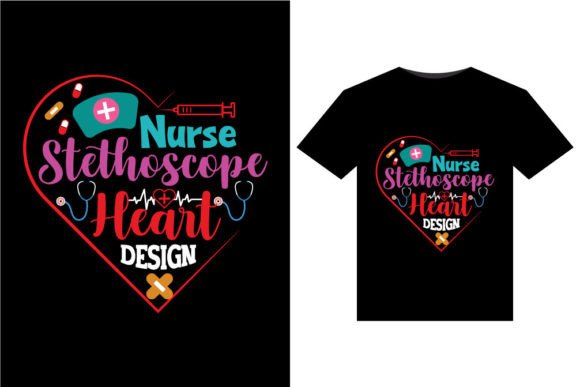
Nurse Stethoscope Heart Design Review
As a designer who has spent countless hours staring at digitized patterns and watching needles dance across fabric, I have learned that not every graphic translates well into thread. When I first encountered the Nurse Stethoscope Heart T-Shirts Design, my initial reaction was one of cautious optimism. The concept is timeless: the universal symbol of care merged with the iconic tool of the trade. However, seeing a vector illustration on a screen is vastly different from seeing it stitched onto a cotton blend. This review breaks down how this specific set of graphics performs in real-world embroidery scenarios, moving beyond the marketing hype to practical application.
First Impressions and Visual Personality
The mood of this design is warm yet professional. It avoids the overly clinical feel of some medical graphics by incorporating the heart shape, which instantly softens the aesthetic. For embroidery designers, the layout is crucial. The stethoscope forms the structure, while the heart provides the focal point. In terms of detail level, the design strikes a balance. It is not so intricate that it becomes a nightmare to stitch, nor is it so simple that it lacks character. The visual personality suggests reliability and compassion, making it an excellent choice for projects intended to build trust with clients or patients.
When evaluating T-Shirt Designs for conversion to thread, I always look for clean lines. This design’s vector nature suggests scalability, but in embroidery, scaling has limits. The shapes appear solid enough to hold up under satin or fill stitches without losing their identity. This is a critical factor for anyone looking to create high-quality design assets for their shop.
Real-World Application: From Screen to Stitch
To truly test the viability of this pattern, I imagined a specific scenario: creating a custom embroidered sweatshirt for a nursing graduate. This is a common request for Etsy sellers and small business owners. The goal was to create a personalized gift that felt premium, not like a cheap promotional item.
In this context, the Nurse Stethoscope Heart T-Shirts Design shines. Placed on the left chest of a high-quality fleece sweatshirt, the design acts as a badge of honor. The curves of the stethoscope tubing allow for smooth satin stitch work, which adds a lovely sheen and texture contrast against the matte fabric. If you are producing custom apparel, this placement ensures the design remains visible but not overwhelming. It works equally well on a tote bag design for clinical rotations, where durability and clarity are paramount.
For those running a craft business, versatility is key. This graphic is not limited to shirts. I can easily see it adapted for an embroidered patch sewn onto a scrub cap or a denim jacket. The closed shapes within the heart and the earpieces of the stethoscope are ideal for fill stitch applications, providing solid coverage that hides the fabric underneath. This makes it suitable for darker fabrics where background peek-through can be an issue.
Technical Considerations for Embroiderers
While the design is visually appealing, there are technical aspects that require attention before hitting the start button on your machine. Since the product description highlights that these are Graphics and vectors, it implies they are resizable. However, resizing an embroidery file is not the same as resizing a JPEG. If you are working with a digital embroidery file derived from these vectors, you must ensure the digitizer has adjusted the stitch density appropriately for different sizes.
If you plan to use this on smaller items, such as a baby onesie or a pocket square, be wary of tiny details. Thin lines in the stethoscope tubing may require a running stitch rather than satin to prevent puckering. On stretchy fabrics like jersey knits, using the correct stabilizer is non-negotiable. A cut-away stabilizer is often best for garments that will undergo frequent washing, ensuring the finished product maintains its shape and the stitches do not sink into the fabric.
Another consideration is thread colors. While the classic red heart and black or silver stethoscope is standard, consider your audience. For a more subtle look on white scrubs, using navy blue or teal thread can add a sophisticated touch. Always test your color combinations on scrap fabric first. What looks good on a monitor may clash or disappear in person depending on the fabric texture and lighting.
Where to Use Caution
Not every project is a perfect fit for this design. Avoid using it on highly textured fabrics like terry cloth towels unless you are using an applique technique. The fine details of the stethoscope can get lost in the loops of the towel. Similarly, be cautious with curved surfaces like baseball caps. The center of the heart might distort if the hoop tension is not perfectly managed. For holiday embroidery gifts, such as Christmas ornaments made of felt, ensure the design is scaled down significantly to fit the small hoop size typically used for these items.
If you are creating commercial embroidery products for hospitals or clinics, check the licensing terms carefully. Just because a design is sold as a T-Shirt Design does not automatically grant unlimited commercial rights for mass production. Always verify the license before selling small shop products or listing them as printable mockup previews for digital stores.
Enhancing Brand Value and Customer Trust
Ultimately, the quality of your embroidery reflects your brand. A well-executed Nurse Stethoscope Heart T-Shirts Design signals professionalism. It shows that you understand the nuances of the profession you are catering to. For handmade product sellers, this attention to detail builds customer trust. Buyers are more likely to engage with listings that show clear, crisp stitching in photos rather than blurry or puckered examples.
Whether you are creating baby embroidery for a newborn nurse’s child or a robust sweatshirt embroidery for a seasoned practitioner, the emotional connection of the design matters. It validates the wearer’s identity. By treating this graphic with the technical respect it deserves—checking densities, choosing the right stabilizer, and testing on various fabrics—you elevate a simple image into a cherished keepsake.
Before you commit to a large batch, run a test stitch. Check the back of the fabric for excessive thread buildup. Ensure the transition between the heart and the stethoscope is smooth. These small steps separate amateur efforts from professional-grade embroidery projects. With careful execution, this design can become a staple in your portfolio, driving engagement and sales for your creative enterprise.