Medical Shield Logo: A Designer’s Review
When I first pulled up the Medical and Shield Logo Design Concept on my screen, I wasn’t just looking at a graphic. I was mentally translating those vector lines into thread. As an embroidery designer who has spent years digitizing for everything from boutique baby wear to corporate uniforms, I have learned that a pretty picture does not always make a functional stitch file. This particular concept caught my eye because it balances two very different visual languages: the softness associated with care and the rigidity of a shield.
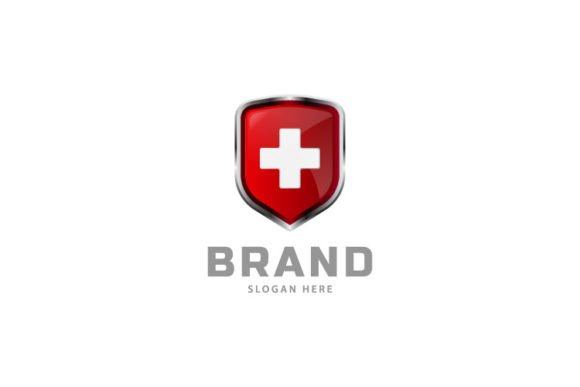
The immediate mood is one of protected wellness. The shield shape provides a strong, contained boundary, which is excellent for containment in embroidery, while the medical cross or symbol inside offers instant recognition. For those of us creating design assets for clients, this duality is gold. It speaks to safety, hygiene, and professionalism without feeling cold or sterile. But the real question is: how does it hold up when the needle hits the fabric?
Translating Vector Lines to Thread Reality
The files provided—Ai, Eps, Png, Jpg, and Svg—are standard for graphic design, but they are not machine embroidery files. This is a crucial distinction for any Etsy seller or craft business owner. You will need to digitize this concept or hire a digitizer to convert these graphics into a usable embroidery file. Because the source is a clean vector (Ai/Eps/Svg), the conversion process should be straightforward, allowing for precise control over stitch density and pathing.
In a recent project, I used a similar shield-based concept for a local clinic’s staff uniforms. The challenge was maintaining the crisp edges of the shield while ensuring the internal medical symbol didn’t get lost in the stitching. With this design concept, the layout suggests that the outer shield could be handled with a tight satin stitch border, providing a glossy, professional finish. The interior elements, depending on their complexity, might benefit from a fill stitch if they are large enough, or a clean running stitch if they are delicate details.
Real-World Application: The Custom Tote Bag Test
To truly evaluate this design, I imagined applying it to a heavy canvas tote bag design. This is a popular item for healthcare workers, nursing students, and pharmacy staff. The shield motif works beautifully here because it acts as a badge of honor. When stitched onto canvas, the structure of the shield holds its shape well, provided you use a cut-away stabilizer to prevent puckering.
I also considered this for a sweatshirt embroidery project. On fleece or cotton blends, the shield’s solid areas would provide great coverage. However, you must be mindful of the thread colors. A white medical cross on a navy blue shield pops effectively, but if the contrast is too low, the detail disappears from a distance. For a personalized gift, such as a nurse’s graduation present, pairing this logo with their name in a complementary script below the shield creates a high-value finished product that feels bespoke rather than mass-produced.
Navigating Fabric and Hoop Constraints
Not every surface is friendly to detailed logos. If you are planning to use this on a cap or hat, the curved surface distorts wide designs. The shield shape is actually advantageous here because it is vertically oriented and symmetrical. However, you must check your hoop size. A 4x4 inch hoop might crop the edges if the design is scaled too large. Always measure the actual dimensions of the SVG or AI file before starting your digitization process.
Textured fabrics pose another challenge. If you are embroidering this onto a waffle-knit towel or a rough linen apron, fine details can sink into the pile. In these cases, I recommend simplifying the internal elements of the medical symbol. Use thicker threads or increase the stitch density slightly to ensure the design sits on top of the fabric texture rather than disappearing into it. For stretchy fabrics like performance scrubs, a proper stabilizer is non-negotiable to keep the shield from warping after washing.
Commercial Viability and Brand Trust
For small shop product creators, this design concept offers versatility. It fits neatly into the categories of Logos and Graphics that sell well because they serve a specific niche. Healthcare professionals are proud of their roles, and merchandise that reflects that pride sells. Whether you are creating an embroidered patch for a jacket or printing a printable mockup for your online store, the clean lines of this concept convey trust.
Buyer engagement often hinges on perceived quality. A sloppy embroidery job on a medical logo can look unprofessional, which is detrimental when selling to medical staff. By using this concept as a base for careful digitization, you ensure that the final machine embroidery design looks sharp. This attention to detail builds customer trust and encourages repeat business. It transforms a simple holiday embroidery gift into a piece of professional branding.
Practical Notes for the Embroiderer
Before you commit to a full production run, follow these steps to ensure success with the Medical and Shield Logo Design Concept:
- Test on Scrap Fabric: Always stitch out a sample on the same material you intend to use for the final product. Check for thread breaks and tension issues.
- Check Contrast: View your design in black and white. If the medical symbol blends into the shield, adjust your thread colors for better visibility.
- Verify Licensing: Since you are receiving graphic files (Ai, Eps, etc.), confirm whether the license allows for commercial use of the resulting embroidered items. This is vital for any commercial embroidery project.
- Inspect Small Details: If the design includes tiny corners or thin lines, ensure your digitizing software converts them into stitches that won’t pull out easily. Consider using a applique design technique if the shield area is very large to reduce stitch count and bulk.
- Mockup Variations: Create digital previews on both light and dark backgrounds to show potential customers how versatile the design is.
In conclusion, the Medical and Shield Logo Design Concept is a robust starting point for any designer looking to create meaningful, professional embroidery work. It requires thoughtful digitization and an understanding of fabric behavior, but the payoff is a design that resonates with its audience. Whether for a baby embroidery item for a newborn in a medical family or a sturdy patch for a first responder, this concept bridges the gap between aesthetic appeal and functional durability. Treat it with the respect it deserves in your workflow, and it will become a staple in your portfolio of custom apparel and handmade product offerings.