Halloween Nurse Design: A Practical Embroidery Review
As a designer who has spent years staring at stitch previews and pulling out bobbins to fix tension issues, I approach every new machine embroidery design with a healthy dose of skepticism. We have all been there: you download a file that looks crisp on the screen, only to find it turns into a bird’s nest of thread on your favorite sweatshirt. That is why I took a close look at Halloween Nurse, Trade Patients for Candy before committing it to any client work or personal projects. This isn’t just about whether the image is cute; it is about whether it holds up under the needle.
First Impressions and Visual Personality
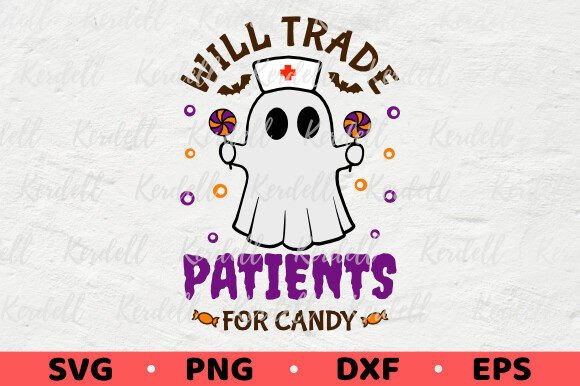
The first thing that strikes me about Halloween Nurse, Trade Patients for Candy is its balanced layout. It sits comfortably in that sweet spot between detailed illustration and clean graphic art. For those of us selling Illustrations or Graphics, we know that too much detail can kill an embroidery project. Tiny lines disappear, and dense areas cause puckering. This design, however, appears to respect the limitations of the medium. The theme is playful yet professional enough for a boutique setting. It captures the whimsical spirit of the season without relying on cluttered backgrounds or excessive shading that would require thousands of unnecessary stitches.
The mood is lighthearted, which makes it versatile. It does not scream "cheap novelty item." Instead, it feels like something a skilled maker would proudly stitch onto a high-quality garment. When I visualize this as a finished product, I see it working well for customers who want humor in their holiday wear but still appreciate craftsmanship. The visual personality suggests reliability, which is crucial when you are building trust with buyers on platforms like Etsy.
Real-World Application: The Tote Bag Test
To truly evaluate a design, you have to imagine it in a real-life scenario. I pictured myself preparing a custom order for a local nurse who wanted a unique gift for her colleagues. I chose a heavy canvas tote bag design as the test bed. Canvas is forgiving, but it also shows every flaw in digitizing. If the stitch density is too low, the fabric shows through. If it is too high, the bag warps.
In this context, Halloween Nurse, Trade Patients for Candy shines. The bold lines suggest that it would translate well into a mix of satin stitch for outlines and fill stitch for larger colored areas. I imagined using a contrasting thread color to make the text pop against the natural canvas. The result would be a sturdy, washable accessory that gets daily use. This is where the value of a good embroidery file becomes apparent. It is not just about the image; it is about how that image behaves on textured surfaces. For a craft business owner, knowing that a design works on tough materials like canvas expands your product line significantly.
Versatility Across Product Lines
Beyond tote bags, this design has legs. I can easily see it adapted for sweatshirt embroidery. A heather grey crewneck with this design centered on the chest would be a bestseller in October. The scale seems appropriate for adult apparel, avoiding the awkwardness of designs that are either too small to read or so large they distort the garment’s drape. It would also work beautifully as an embroidered patch. Patches are trending, and they allow customers to add personality to denim jackets or backpacks. Since the design is contained and self-sufficient, it would cut cleanly and edge neatly.
For those running a small shop product line, consider baby items. While the theme is Halloween, the "nurse" aspect softens it. With the right pastel thread choices, this could become a gentle baby embroidery piece for a onesie or a burp cloth, appealing to medical families who want to include their little ones in the fun. However, I would advise checking the smallest details. If there are tiny elements in the original digital embroidery file, they might need simplification for such small hoops.
Technical Considerations and Caution Areas
No design is perfect for every situation. There are specific scenarios where you should proceed with caution when using Halloween Nurse, Trade Patients for Candy. First, consider the hoop size. If you are working with a 4x4 inch hoop, ensure the design fits with adequate margin for stabilization. Cramping a design near the edge often leads to hoop burns or skipped stitches.
Second, think about fabric texture. On highly textured fabrics like terry cloth or thick fleece, fine details can get lost. If you plan to use this on a plush blanket, you might need to increase the stitch count or simplify the design further. Similarly, on stretchy fabrics like jersey knits for t-shirts, proper stabilizer usage is non-negotiable. Without a cut-away stabilizer, the weight of the embroidery could cause the shirt to sag or pucker over time.
Dark fabrics present another challenge. If you are stitching on black or navy, you must ensure your thread colors have enough contrast. A mockup in black and white can help you determine if the design relies too heavily on subtle shading that won’t translate to thread. Remember, embroidery is tactile and bold, not subtle like printing.
Designer Notes for Best Results
Before you list this as a commercial embroidery asset or sell finished items, take these practical steps. Always test the design on scrap fabric first. Use the same type of material and stabilizer you intend to use for the final product. Check the stitch sequence in your software. Does it jump excessively? Are there long travels that might need tie-offs? These small adjustments can save hours of troubleshooting later.
Also, verify the licensing. The product description mentions it is an INSTANT DOWNLOAD containing SVG, PNG, DXF, and EPS files. Note that these are primarily vector and raster formats used for cutting machines or printing, not necessarily native machine embroidery formats like PES or DST. As a reviewer, I must point out that you may need to convert these graphics into an applique design or use auto-digitizing software carefully. Auto-digitizing often produces poor results with high stitch counts and messy underlay. For professional results, consider manual digitizing or using specialized software to refine the paths. Confirm whether the license allows for commercial use of the converted embroidery files, as terms can vary.
Finally, think about your customer. Whether you are an Etsy seller or a local boutique owner, presentation matters. Use high-quality printable mockup images to show how the design looks on different products. Show it on a mug, a sticker, and a t-shirt as suggested in the description. This helps buyers visualize the personalized gift potential. When customers see a design applied realistically, their confidence in your handmade product increases.
Final Verdict
Halloween Nurse, Trade Patients for Candy is a strong contender for your autumn catalog. It offers a blend of humor and professionalism that appeals to a wide audience. While the provided files are geared towards printing and cutting, with careful preparation and possibly some digitizing work, it can become a standout embroidery project. It respects the craft, offers versatility across various design assets, and has the potential to drive engagement for your craft business. Just remember to test, stabilize, and verify your rights before you start stitching.